
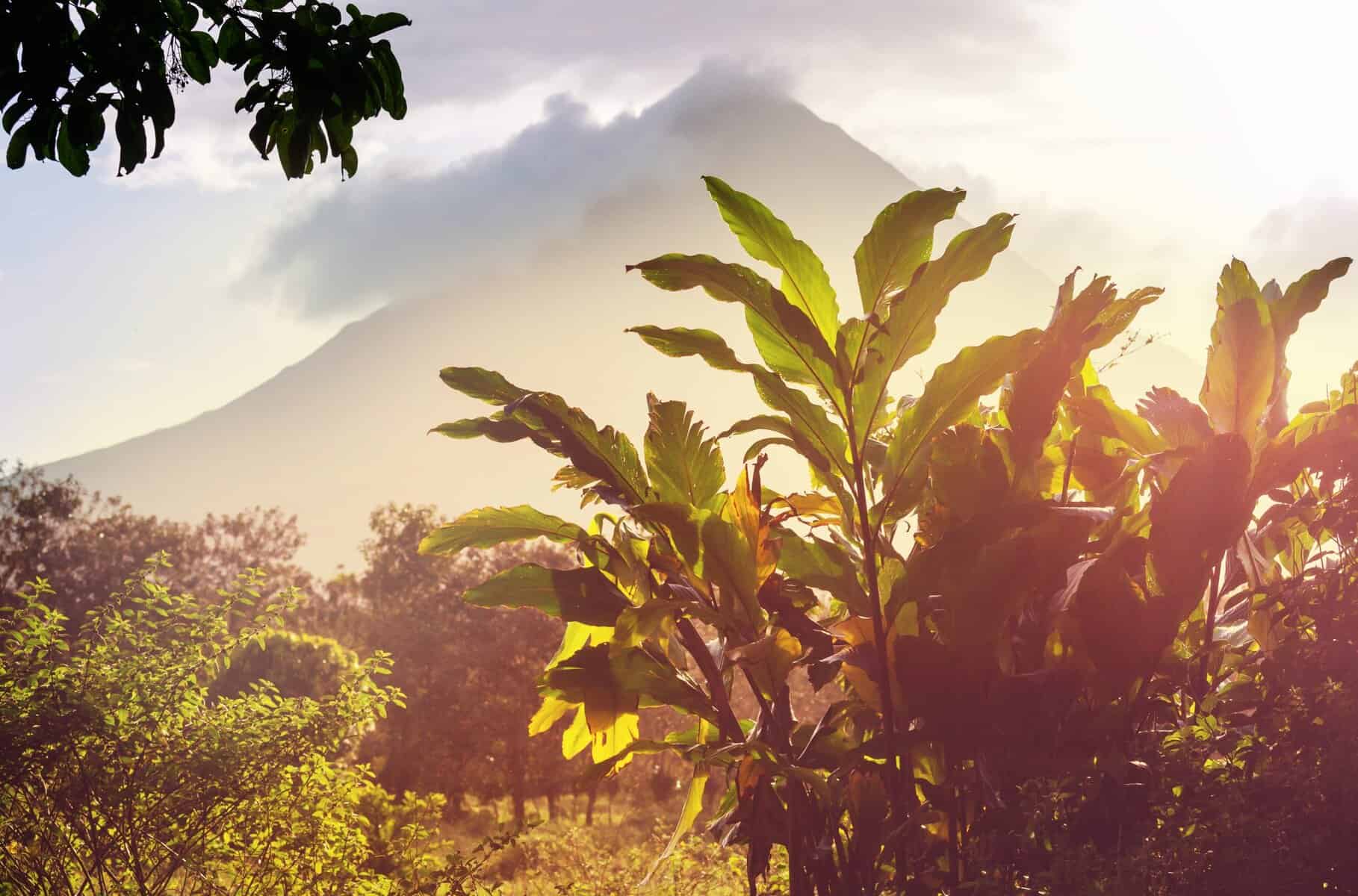
Costa Rica is a Central American country known for its biodiversity, political stability, strong environmental values, and the relaxed lifestyle often summed up as Pura Vida.
Visiting Costa Rica isn’t just about moving between destinations. It’s about experiencing a way of life shaped by nature, community, and a slower daily rhythm.
Rather than treating the country as a checklist, this guide helps you start with context: how geography affects travel times, how local culture shapes expectations, and why planning here can feel different than in many other destinations.
What you’ll learn in this guide
This hub is a comprehensive starting point for anyone planning a trip to Costa Rica. You’ll get the most important pointers on culture, geography, and the Pura Vida way of life before diving into specific regions and attractions.
You can also explore in-depth blog articles about tourism in Costa Rica. These include regional travel guides, national parks, airports, and cultural insights, plus practical resources like car rental guides and driving tips from Economy Rent a Car.
Instead of replacing those articles, this page connects them. So you can understand the big picture first and then go deeper through the links across the blog.
Understanding Costa Rica Before You Travel

Costa Rica’s travel experience begins with understanding the country itself. It is compact in size but complex in terrain.
In fact, it combines mountains, rainforests, valleys, and two coastlines within a relatively short distance. This geographic diversity explains why travel pace, weather, and logistics often feel different than expected.
For visitors, this means that maps alone don’t tell the full story. Distances may appear short, but elevation changes, road conditions, and microclimates play a significant role in how travel unfolds.
Where Is Costa Rica and Why Location Matters
Costa Rica is located in Central America, bordered by Nicaragua to the north and Panama to the south. With both Pacific and Caribbean coastlines, the country experiences multiple climate zones despite its small footprint.
This location creates variety, but also requires realistic expectations. Traveling between regions often involves winding roads and changing conditions. Thus, which is why trip planning in Costa Rica is less about speed and more about flow.
A Brief History That Shapes Modern Costa Rica
Costa Rica is often described as one of the most politically stable countries in Latin America.
In historical terms, Costa Rica’s demilitarization is commonly described as being announced or decided in 1948 (after the civil conflict) and later enshrined in the country’s post-war constitutional framework in 1949—so it’s accurate to reference 1948 while adding the 1949 constitutional context for precision.
This decision continues to shape daily life. For travelers, it can translate into a sense of organization, relative safety, and civic pride that feels distinct within the region. Over time, public investment and national priorities have also been shaped by this historical choice.
The Pura Vida Lifestyle: More Than a Phrase
Pura Vida is one of the most recognizable expressions associated with Costa Rica. But its meaning goes beyond a slogan. Used as a greeting, a farewell, or a response, it reflects an outlook centered on optimism, patience, and balance.
For travelers, understanding Pura Vida helps set expectations. Service is friendly but not rushed, interactions are polite and respectful, and flexibility is often valued over strict schedules. Adjusting to this rhythm is part of the travel experience itself.
Culture, People, and Daily Life
Frequently referred to as Ticos, Costa Ricans are typically seen as friendly, community-focused, and courteous. Family plays a central role in social life, and courtesy is emphasized in everyday interactions.
Travelers may notice that communication tends to be indirect and polite, and that time is often approached more fluidly than in fast-paced urban cultures. These norms shape how visitors experience everything from dining to transportation.
The People: Costa Ricans and Their Way of Life
Costa Rican culture is closely connected to the natural environment. Respect for wildlife, protected areas, and sustainable practices is not limited to tourism. It´s part of everyday values.
For visitors, this means that responsible behavior is often expected rather than optional. Staying on marked paths, respecting conservation rules, and minimizing environmental impact are considered part of being a good guest.
Food, Traditions, and Social Customs
Food in Costa Rica tends to be simple, familiar, and tied to daily routines rather than elaborate culinary rituals. Meals are often shared at consistent times, reinforcing a steady rhythm to the day.
Coffee also plays an important cultural role. However, it is not an attraction. It´s more a daily social element woven into conversations, mornings, and work breaks across the country.
Nature as a Way of Life
Nature is not part of daily life. It is a defining part of national identity. Conservation policies and environmental education have positioned protected areas as a collective responsibility.
According to World Bank development indicators, Costa Rica’s terrestrial protected areas were reported at 26.5% of total land area in 2024.
This commitment explains why nature feels integrated into travel experiences rather than confined to isolated attractions.
How Travel Works in Costa Rica
Travel in Costa Rica rewards thoughtful planning, but also flexibility. Roads may be unpaved in rural areas, weather can affect travel times, and routes often take longer than expected.
Many travelers find that choosing fewer locations and allowing buffer time leads to a more relaxed experience. Whether using rental cars or alternative transportation, treating travel days as part of the journey rather than obstacles often leads to better outcomes.
When Is the Best Time to Visit Costa Rica?
The best time to visit Costa Rica depends on personal priorities. Weather patterns, wildlife activity, and crowd levels vary by season and region.
Rather than focusing on specific months, travelers benefit from understanding seasonal trade-offs—balancing rainfall, landscape conditions, and travel demand to match their preferred experience.
What First-Time Visitors Should Know
For first-time visitors, understanding a few foundational details can make travel smoother and more enjoyable. Language, currency, and basic practicalities often shape expectations before arrival.
These travel tips help reduce uncertainty. Also make it easier to adapt to Costa Rica’s slower pace and nature-centered lifestyle.
Language, Currency, and Communication
Costa Rica is a Spanish-speaking country, though English is widely spoken in many tourism contexts.
The local currency is the Costa Rican colón (CRC). While US dollars are commonly accepted in popular travel areas.
Safety, Water, and Everyday Practicalities
Costa Rica is generally considered safe for travelers who follow common-sense precautions. Drinking water is safe in most parts of the country, particularly in urban and well-developed areas.
According to official guidance, most travelers from the United States, Canada, the European Union, and the United Kingdom do not require a visa for stays of up to 180 days, subject to immigration approval upon entry.
Essential Travel Information for 2026
Entry requirements
A valid passport is required. Travelers may also be asked to present proof of onward or return travel (such as a return ticket to their country of origin or an onward itinerary to the next destination) and proof of economic means of at least US$100 per month (or partial month) of legal stay, per Costa Rica’s official entry guidelines.
Currency
Costa Rican colón (CRC); US dollars widely accepted.
Costs
Costa Rica is among the more expensive destinations in Central America.
Getting around
Rental cars are common for reaching rural areas, while shuttles are a popular alternative.
Choosing Where to Go Next in Costa Rica
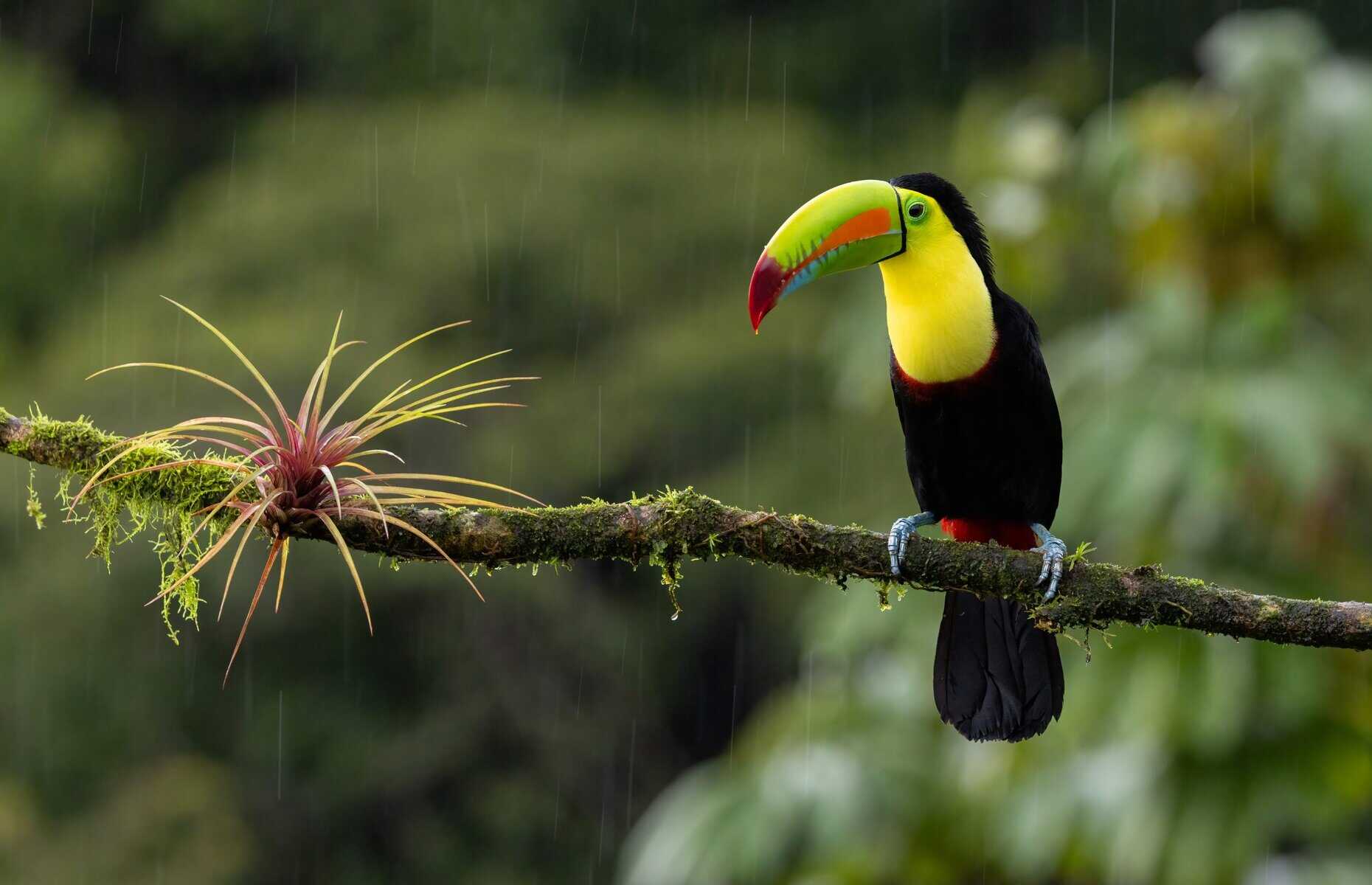
Once travelers learn about Costa Rica’s pace, values, and geography, choosing where to go becomes easier. It is about matching regions to their travel style instead of just checking off landmarks.
Explore more detailed guides by theme:
- Beaches & Coasts → Explore this guide
- Rainforests & Highlands → Explore this guide
- Cities, Airports & Cultural Centers → Explore this guide
- National Parks → Explore this guide
Bringing It All Together: Experiencing Costa Rica Beyond Places
Your journey may start in San José at noon. You might visit cooler areas like the Monteverde Cloud Forest. You could also see famous sights shaped by Arenal Volcano. Traveling in Costa Rica often mixes travel with relaxation. Enjoy time at natural hot springs or peaceful beaches like Manuel Antonio.
These locations are not defined only by attractions, but by how they connect to the country’s geography, pace, and everyday life, reinforcing why visiting Costa Rica is as much about understanding the context as it is about reaching specific destinations.
Frequently Asked Questions About Visiting Costa Rica
Is Costa Rica a good country to visit for first-time travelers?
Yes. Costa Rica’s political stability, infrastructure, and welcoming culture make it accessible for first-time international travelers.
What makes Costa Rica different from other Central American countries?
Its long-standing democratic stability, environmental leadership, and emphasis on quality of life set it apart.
Is Costa Rica more about nature or culture?
Both are deeply connected; nature shapes daily life, and culture reflects that relationship.
How many days do you need to really experience Costa Rica?
Most travelers find that 10–14 days allow enough time to experience multiple regions without rushing.
Sources
- Visit Costa Rica – Entry Requirements
- World Bank – Terrestrial protected areas (% of land area), Costa Rica
- Future Policy – Costa Rica’s constitutional abolition of the army