
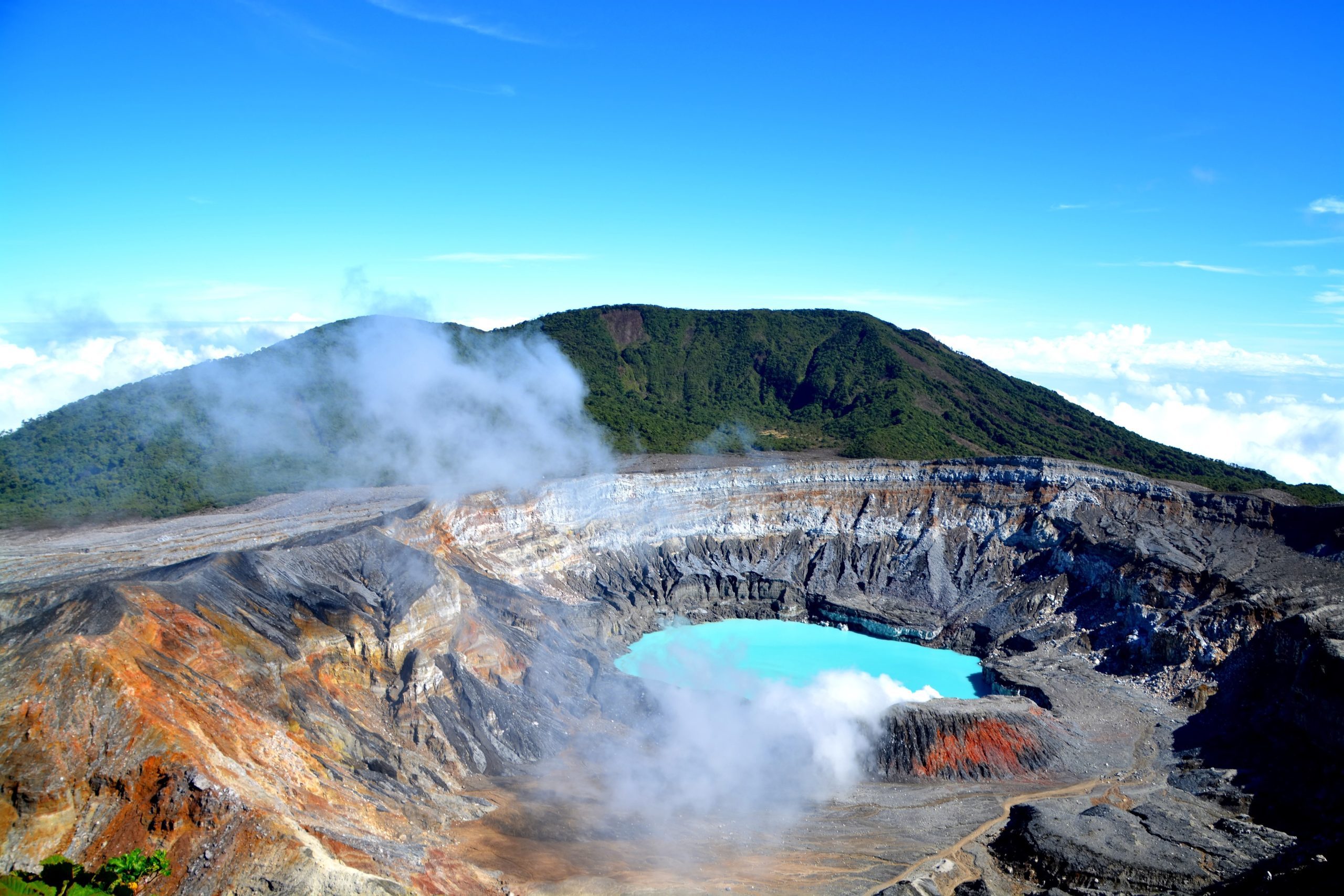
Costa Rica is a top eco-tourism destination, with more than 25% of its land protected through parks, reserves, and conservation areas.
Because of this, learning to travel responsibly in Costa Rica helps protect wildlife, support local communities, and preserve the country’s culture for future generations.
In addition, responsible tourism means making mindful decisions throughout your trip. For example, from respecting wildlife in a cloud forest to reducing waste on the Pacific Coast, every action can make a difference and benefit both the environment and the people who call Costa Rica home.
As a result, this article is a practical guide to the essentials of how to travel in Costa Rica safely, responsibly, and with confidence.
It highlights the key tips every traveler should know, including staying safe on the road, respecting local rules, and enjoying the trip with peace of mind.
Become a member today and unlock incredible discounts with Economy Rent a Car. So you can travel smarter and save more on your Costa Rica adventure!
Traveling Responsibly in Costa Rica
Being a responsible traveler in Costa Rica starts with understanding that tourism directly affects ecosystems and local communities. The country’s rainforests, beaches, and protected wilderness areas depend on sustainable tourism practices to remain healthy and accessible.
When visiting popular tourist destinations like Manuel Antonio, La Fortuna, Monteverde, or the beaches along the Pacific Coast, travelers should prioritize respectful behavior and environmentally conscious choices.
Small actions -such as staying on official trails, conserving water, or supporting Costa Rican businesses- can make a significant difference.
Traveling responsibly also means appreciating Costa Rica beyond its landscapes.
Respecting traditions, learning about local culture, and interacting kindly with residents creates a more meaningful travel experience for everyone involved.
Conservation and Sustainable Resource Use
Costa Rica has become internationally recognized for its conservation efforts and renewable energy initiatives. Travelers can contribute to these efforts by using natural resources responsibly during their stay.
Reduce Water and Energy Consumption
Water and electricity are valuable resources, especially in remote eco-tourism regions. Travelers can help by:
- Taking short showers
- Turning off lights and air conditioning when leaving the room
- Reusing towels and linens
- Avoiding unnecessary laun dry loads
These habits are especially important in destinations surrounded by protected ecosystems and cloud forest reserves.
Minimize Waste and Avoid Single-Use Plastics
One of the easiest ways to travel sustainably is by reducing waste. Bring reusable items whenever possible, including:
- Refillable water bottles
- Reusable shopping bags
- Metal or bamboo straws
- Reusable food containers
Many Costa Rican destinations actively encourage plastic-free tourism initiatives. Avoid leaving trash behind in beaches, parks, or rural communities.
Support Sustainable Tourism Practices

Choose accommodations and tour operators committed to sustainability. Look for businesses with CST (Certification for Sustainable Tourism) recognition or partnerships with local conservation programs.
Responsible companies often:
- Employ local guides
- Protect wildlife habitats
- Promote recycling and renewable energy
- Educate travelers about conservation
Supporting these businesses helps strengthen Costa Rica’s sustainable tourism model by creating economic opportunities for local communities and protecting natural resources for future generations.
Respecting Local Communities and Cultural Interaction
Responsible travel is not only about nature, but it also involves treating local communities with respect and cultural sensitivity.
Costa Rican culture, often known for its “Pura Vida” lifestyle, values kindness, simplicity, and community connection. Visitors should approach interactions with openness and respect.
Support Local Businesses
Whenever possible:
- Buy souvenirs directly from artisans
- Eat at local restaurants
- Hire Costa Rican guides
- Stay in locally owned accommodations
This helps distribute tourism income directly to communities instead of large international corporations.
Practice Cultural Sensitivity
Respect local customs and traditions during your visit. Helpful practices include:
- Asking permission before taking photos of people
- Learning basic Spanish phrases
- Dressing appropriately in rural or cultural areas
- Respecting personal space and community routines
Meaningful cultural interaction creates more authentic travel experiences while strengthening local economies.
Protected Wilderness Areas and Visitor Rules
Costa Rica protects hundreds of ecosystems through national parks, wildlife refuges, and biological reserves. These areas preserve biodiversity and provide safe habitats for species such as sloths, monkeys, sea turtles, and tropical birds.
Visitors should always follow official rules when entering protected areas.
Basic Rules for Visiting National Parks and Reserves
To protect Costa Rica’s ecosystems:
- Stay on marked trails only
- Never feed wildlife
- Respect park hours and restricted zones
- Carry out all trash
- Avoid loud noises and disruptive behavior
- Follow instructions from park rangers and official guides
Ignoring these rules can damage fragile ecosystems and put wildlife at risk.
Use Authorized Trails and Guides
Some areas contain dangerous terrain, protected habitats, or sensitive conservation zones. Travelers should avoid unauthorized access routes or clandestine trails.
Using ICT-accredited guides improves safety and provides educational insight into Costa Rica’s ecosystems, wildlife, and conservation efforts.
How to Visit Natural Areas Responsibly
Responsible behavior in natural areas helps preserve Costa Rica’s biodiversity while ensuring future travelers can continue enjoying these destinations.
Stay on Official Trails
Marked trails are designed to minimize environmental damage and protect native vegetation. Leaving the trail can harm ecosystems and increase erosion.
This is especially important in cloud forest environments and wildlife reserves where biodiversity is highly sensitive.
Do Not Feed or Disturb Wildlife
Wild animals should never depend on human food or interaction. Feeding wildlife changes natural behavior patterns and may create health risks for animals and visitors alike.
Observe animals quietly from a safe distance and avoid touching marine life, coral reefs, or nesting areas.
Leave No Trace Behind
Before leaving any beach, forest, or national park:
- Take all belongings and waste with you
- Avoid collecting plants, shells, or rocks
- Respect natural habitats exactly as you found them
Responsible tourism means protecting destinations rather than consuming them.
Practical Tips for Responsible Travel
Travelers can reduce their environmental impact with simple everyday choices.
Choose Eco-Friendly Products
Use reef-safe sunscreen and biodegradable toiletries whenever possible. Some chemical sunscreens damage marine ecosystems and coral reefs along Costa Rica’s Pacific Coast.
Avoid:
- Aerosol products
- Single-use plastics
- Non-biodegradable hygiene products
Bring Reusable Essentials
Packing reusable travel items reduces waste significantly during your trip. Useful items include:
- Water bottles
- Shopping bags
- Coffee cups
- Reusable utensils
These products are especially practical while driving in Costa Rica and exploring remote destinations.
Respect Local Spaces and Schedules
Many Costa Rican communities maintain quieter lifestyles than major international cities. Travelers should:
- Respect local schedules
- Keep noise levels low
- Follow community guidelines
- Drive carefully in rural areas
Being considerate improves relationships between tourists and residents.
Conclusion
Responsible tourism helps preserve Costa Rica’s forests, beaches, wildlife, and communities for future generations. Every traveler has the opportunity to make a positive impact through mindful decisions and respectful behavior.
Whether you are visiting San José, exploring a cloud forest, or discovering destinations in Costa Rica along the Pacific Coast, traveling responsibly ensures these natural and cultural treasures remain protected for years to come.
By supporting sustainable businesses, respecting local communities, and following conservation guidelines, travelers become active participants in protecting one of the world’s most extraordinary eco-tourism destinations.
FAQs
What is the best way to start a trip in Costa Rica?
Many travelers begin in San Jose, since it is the country’s main entry point and a convenient place to organize transportation, rest after a flight, and get ready for the rest of the trip.
Is Manuel Antonio National Park a good place to visit responsibly?
Yes. Manuel Antonio National Park is one of the most popular natural areas in Costa Rica, and it is especially important to stay on marked trails, follow park rules, and respect the wildlife while visiting.
Can I travel around Costa Rica using public buses?
Yes, public buses are an affordable way to get around Costa Rica, especially for travelers who do not mind a slower pace and want to experience the country more like a local.
Are hot springs in Costa Rica environmentally friendly to visit?
Many hot springs in Costa Rica can be enjoyed responsibly if you follow the site rules, avoid littering, and choose businesses that support conservation and sustainable tourism practices.
What does local Costa Rica travel really mean?
Traveling through local Costa Rica means supporting local businesses, respecting traditions, and taking time to experience the culture, food, and communities in a more meaningful way.
Is Arenal Volcano worth including in a responsible travel itinerary?
Yes. Arenal Volcano is one of Costa Rica’s most iconic destinations, and it can be visited responsibly by using authorized trails, respecting the environment, and choosing eco-conscious tours.
Should I rent a car to travel responsibly in Costa Rica?
Using rental cars can be a flexible and practical option, especially if you want to reach remote destinations, travel on your own schedule, and visit multiple regions while keeping your trip comfortable.
What are the basic rules for visiting protected areas in Costa Rica?
Stay on marked trails, don’t feed wildlife, follow official guides, carry out all trash, and respect park hours. Only visit authorized trails and entry points; clandestine paths are dangerous and damage ecosystems.
How do I choose responsible tour operators in Costa Rica?
Look for CST certification (Certification for Sustainable Tourism), positive reviews from eco-travelers, and operators who employ local guides and support conservation. Always verify ICT-accredited certifications to ensure they promote recycling and protect wildlife habitats.
Want more travel tips? Explore our blog for articles on top destinations, responsible travel, family trips, and local guides to help you plan smarter and travel better.